THE PRINCIPLE
One print. Different views.
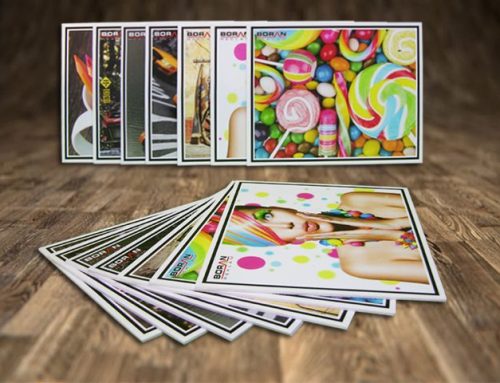
Lenticular printing brings together specially prepared artwork and a sheet of fine lenses. The source images are divided into narrow strips and interlaced beneath the lens sheet. As a viewer moves, the lenses reveal different strips to each eye or at different angles.
The result can be a flip between images, an impression of depth, or a short motion sequence. The effect is built into the physical print and does not require a screen.

APPLICATIONS
Make the message visible from more than one angle.
Lenticular print is useful when a surface should reward a second look. The effect and format depend on the campaign, display position and viewing distance.
3D LENTICULAR
Retail & POS
Use a flip or depth effect on product displays and point-of-sale graphics to draw attention as people pass.
3D LENTICULAR
Campaign Graphics
Show a before-and-after idea, two related visuals or a short sequence within a single printed format.
3D LENTICULAR
Packaging & Promotions
Add movement or layered depth to a pack, promotional piece or collectible print.
SEE THE EFFECT
A change in angle becomes part of the story.
These animated examples show the kinds of visual changes that can be planned for a lenticular print. The final physical effect depends on the artwork, lens selection and viewing conditions.

DEPTH EFFECT / layered visual perspective

FLIP EFFECT / different visuals from different viewpoints
FROM IDEA TO PRINT
Plan the effect around the viewer.
Start with the message. Decide whether the artwork needs a flip, depth or motion effect. Keep the visual change easy to understand at a glance.
Choose the viewing conditions. A print seen from a shop aisle has different requirements from one held in the hand. Final size, distance, angle and lighting all influence the design.
Prepare and check the artwork. Image separation, interlacing, alignment and print quality are essential to a clean result. A sample helps confirm the effect before production.
WHAT TO SHARE WITH US
A useful project brief
- Where the print will be used
- Target size and quantity
- Viewing distance and lighting
- Artwork or visual concept
- Preferred effect: flip, depth or motion
With these details, Boran Reklam can discuss an appropriate approach for the project.
FREQUENT QUESTIONS
What should you know before production?
Does lenticular printing require a screen?
No. The effect is created by the printed, interlaced artwork and the lens sheet. It changes as the viewing angle changes.
Which effect should I choose?
A flip works well for two clear messages; depth builds a layered scene; motion can illustrate a short visual sequence. The best choice depends on the artwork and where people will see it.
What files and resolution are needed?
Requirements depend on the final size, lens specification and viewing distance. Share your available artwork so the production team can advise on preparation and proofing.
Can it be used outdoors?
Outdoor suitability depends on the material, finishing and exposure conditions. Describe the installation location when requesting a quote.