PRINTING KNOWLEDGE / UV DIGITAL PRINTING
What Is UV
Printing?
A practical guide to the process, materials and applications.
UV printing cures ink with ultraviolet light as it is applied. It opens up direct-print possibilities for a range of rigid and flexible surfaces, from retail displays to architectural graphics.

THE BASICS
What is UV printing?
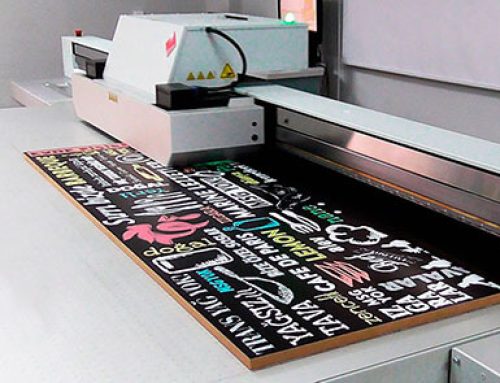
UV printing is a digital process in which ultraviolet-curable ink is deposited onto a material and then exposed to UV light. The light triggers a chemical curing reaction that forms a solid ink layer on the surface. It is a different process from waiting for a solvent or water carrier to evaporate.
Depending on the printer, ink and preparation, UV graphics can be produced on suitable plastics, glass, metal, wood, board and other substrates. The ability to print on a material does not by itself guarantee adhesion or outdoor durability; the complete specification needs to match its intended use.
HOW IT WORKS
From artwork to a cured print.
A sound result starts with material suitability and accurate file preparation, before the printer ever begins to lay down ink.
01 / Prepare
Check the substrate, dimensions, artwork, colour and any need for white ink, primer or protective finishing.
02 / Print
The digital printer deposits ink directly onto a compatible surface or selected roll media, following the approved artwork.
03 / Cure
UV light activates photoinitiators in the ink, curing the printed layer rapidly so subsequent handling can begin without a long air-drying stage.
WHY USE UV
The practical advantages of UV printing.
Sharp detail and colour
Digital file control and rapid curing can preserve fine details and help produce vivid images. Colour appearance depends on the material, ink set, profile and viewing conditions.
Fast handling
Because the ink cures as part of printing, the finished sheet can often move promptly to cutting, assembly or packing. Total lead time still depends on preparation and finishing.
Versatile substrates
Direct printing suits many rigid surfaces and certain flexible media when the material, ink and machine are compatible. Material testing or a suitable primer may be needed for difficult surfaces.
Durability by specification
The right combination can resist normal handling and provide useful outdoor performance. Abrasion, weather and fading resistance vary with substrate, ink, exposure and protective treatment.
APPLICATIONS
Where UV printing makes an impact.
Signage and display graphics
Print onto PVC foam, acrylic, composite and other suitable display materials for shops, exhibitions, interiors and selected outdoor signage.
Packaging and point of sale
Produce prototypes, display panels and short-run branded pieces where substrate compatibility and finishing are confirmed.
Promotional products
Selected flat or suitably fixtured items can carry logos and designs. Curved objects and small products require an appropriate machine and process.
Electronics labels and panels
UV printing can be specified for compatible housings, faceplates or labels, subject to the surface and performance requirements.
Automotive graphics
For decals or display components, choose media and inks to suit shaping, adhesion, exposure and expected service conditions.
Glass, wood and metal
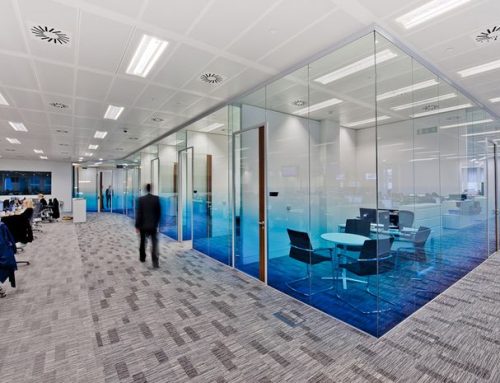
Direct print can bring imagery to architectural and retail materials. Preparation, white ink and protective finish are chosen for each surface.
MATERIALS MATTER
Is UV printing environmentally friendly?
UV curing can reduce the need for an extended drying stage, and some UV ink sets are formulated without volatile organic compounds. Those properties depend on the specific ink and equipment; “UV” alone is not a guarantee that every ink or finished product is free of environmental impact.
Material choice, power use, waste, ventilation and the product’s useful life all matter. When environmental criteria are part of the brief, assess the substrate and ink specification alongside the production and finishing plan.
WHY BORAN REKLAM
Production decisions made for the final application.
A considered material match
Boran Reklam works across rigid display materials and selected flexible media. Our team reviews the artwork, colour, substrate and site conditions before determining the print and finishing route.
From print to implementation
Digital print production connects with cutting, fabrication, packing and installation planning when the project calls for a complete retail or signage solution. Scope and lead times are agreed around the actual brief.
FREQUENTLY ASKED QUESTIONS
UV printing, in practical terms.
Is UV printing more expensive?
Price depends on material, size, ink layers, quantity and finishing. Direct printing or shorter turnaround may improve value for a particular job, but a comparison needs a defined specification.
Which surfaces can be printed?
Many plastics, glass, metal, wood and boards can be candidates. The exact surface, coating, flatness and adhesion requirements should be checked first.
How long does the ink take to cure?
UV ink cures rapidly as it passes the light source. Later cutting, packing or installation may still require additional production steps.
Can UV prints be used outdoors?
Yes, if the ink, substrate, mounting and any protective finish are specified for the expected weather and service life. UV printing alone does not make every print weatherproof.
Is the process environmentally friendly?
Some UV ink formulations are VOC-free, and rapid curing can streamline production. The total impact varies with materials, equipment and waste management.
Is UV the right process for my project?
Share the material, dimensions, quantity and use conditions. A sample or material test may help confirm appearance and adhesion before production.