
PRINT DIRECTLY. DESIGN FREELY.
What Is UV Printing?
UV printing is a digital process in which ultraviolet light cures the ink during printing. Instead of applying a separate printed film to a rigid board, compatible flat materials can be printed directly. This opens up practical options for retail displays, interior panels and architectural graphics.
The finished result depends on more than the artwork. Surface colour, texture, transparency, ink adhesion and viewing conditions all influence how the image looks. We plan the print construction around the material and the intended application.
One Process, Different Visual Results
A photograph on clear glass, a pattern on natural wood and a campaign graphic on white PVC each need a different approach. Some projects benefit from the character of the substrate; others need a white ink base to keep colours distinct from the surface beneath.
Our UV service includes rigid-sheet printing and compatible roll media. This makes it possible to develop both decorative surfaces and campaign graphics within the same production brief.
Large-Format UV Production
From a single decorative panel to repeated campaign graphics, the production specification should reflect the substrate, ink construction and finished use.
Up to 2,500 × 3,000 mm
Large-format flatbed capacity for suitable sheets. Confirm the usable area for the selected material and production setup.
Up to 50 mm Thickness
Printing on compatible flat materials up to approximately 5 cm thick. Surface flatness and safe printhead clearance remain essential.
CMYK + White Ink
Colour printing with a selective or full white layer, planned for transparent, coloured and opaque substrates.
Rigid + Roll Media
Flatbed production for rigid materials and roll-to-roll options for suitable vinyl, film, canvas and paper.
Artwork & Colour Setup
Material-specific profiles and artwork preparation help control colour reproduction across the production run.
Worldwide Shipping
Packing and delivery can be included in the project brief, with protection selected for the material and destination.
TRANSPARENT & ILLUMINATED SURFACES
UV Printing on Glass
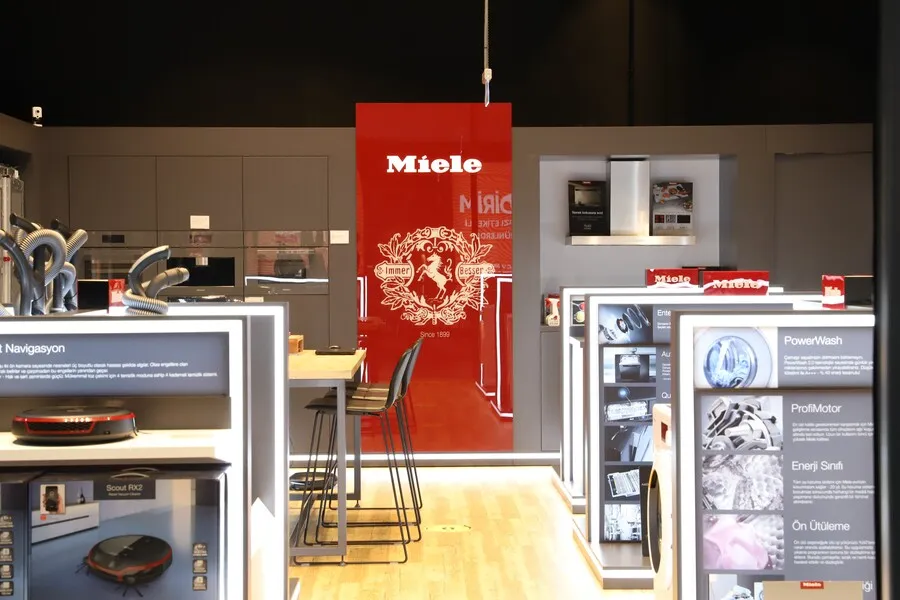
Turn a flat glass panel into a branded feature, photographic display or decorative wall surface. Glass printing is suitable for projects where a smooth finish, depth and a clean presentation are important to the design.
For graphics viewed through the glass, reverse printing can place the artwork behind the front surface. White ink can then support the image where greater opacity is needed. Clear areas can be retained as part of the design.
Our glass service includes protective finishing options. Adhesion, exposed edges, cleaning conditions and the installation environment should be considered before the production specification is agreed.
DISPLAY & LIGHTBOX APPLICATIONS
UV Printing on Acrylic
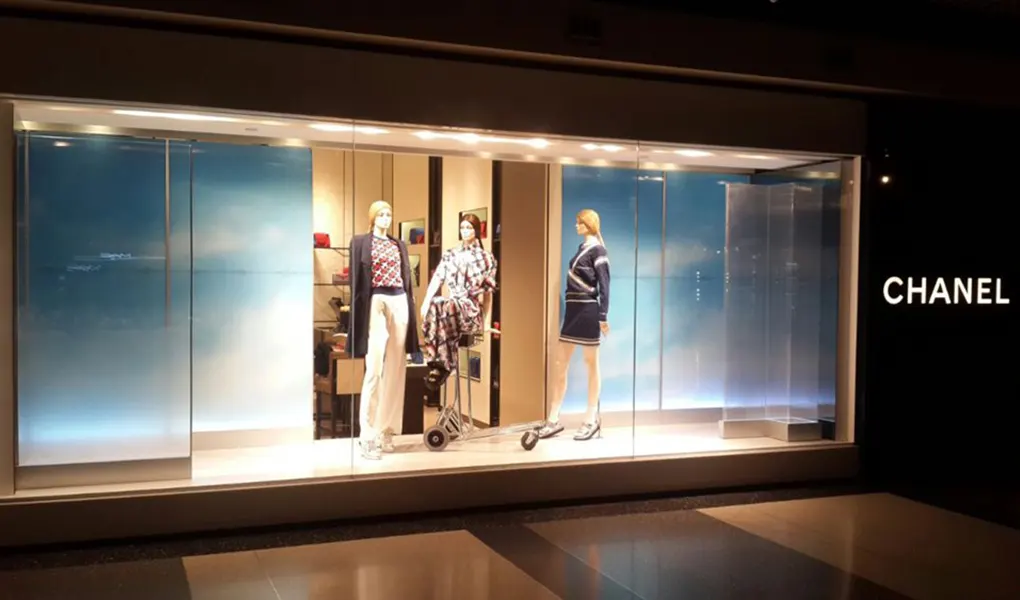
Acrylic combines a clean surface with options for transparency and light transmission. It can be used for display panels, branded signage, decorative graphics and illuminated applications.
The print arrangement is selected according to whether the panel is viewed from the printed side or through the acrylic. White ink supports colour opacity, while a backlit specification considers the light source as well as the artwork.
Our acrylic service includes large sheets up to 2,050 × 3,050 mm. The usable print area and handling requirements should be confirmed for the selected sheet and machine.

NATURAL TEXTURE. CUSTOM ARTWORK.
UV Printing on Wood & MDF
Printed wood can bring a visual theme across restaurant interiors, café walls, display panels and shopfitting features. Designs may include photography, typography, brand patterns or decorative imagery.
Printing directly allows the wood surface to become part of the finished appearance. Where the brief calls for stronger colour separation from the substrate, a white base can be considered. Surface grain, porosity and any existing coating affect the result.
MDF offers another option for printed interior components and promotional displays. For repeat production, using a consistent material specification helps keep the appearance more predictable from panel to panel.
LIGHTWEIGHT RETAIL GRAPHICS
UV Printing on PVC Foam

PVC foam board, often referred to as Forex, is a practical substrate for lightweight retail graphics, promotional panels, exhibition signage and point-of-sale displays. Direct printing avoids the separate step of mounting a printed film onto the board.
The material thickness should suit the size of the panel and how it will be supported. Large freestanding pieces, suspended signs and wall-mounted panels can have different handling and fixing requirements.
Include the finished shape and any mounting holes in the brief so printing and subsequent cutting can be planned together.
RIGID SIGNAGE & PANELS

UV Printing on Composite
Aluminium composite panels provide a rigid base for signage and decorative graphics. Printed panels can form part of wall displays, branded interiors or architectural design schemes.
The face finish and surface preparation influence ink adhesion and colour appearance. A smooth white panel and a metallic finish will not produce the same visual result without adapting the print construction.
For outdoor or facade-related applications, the complete specification also needs to consider exposure, fixing, panel grade and any project requirements beyond the printed image.
CUSTOM PRINTED CERAMIC SURFACES
UV Printing on Ceramic Tiles
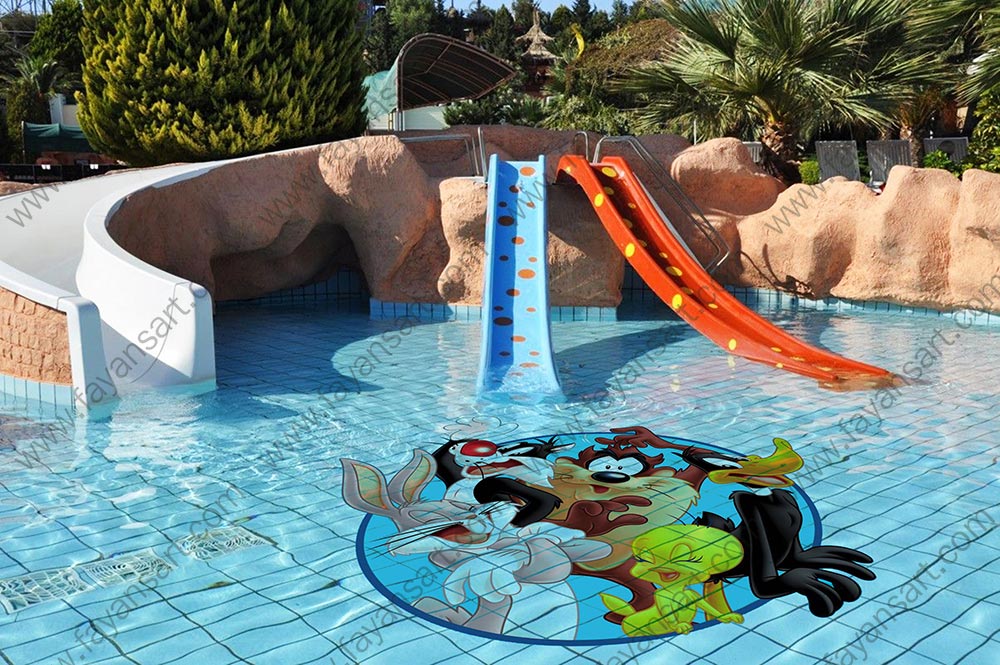
Use a single tile as a decorative feature or distribute a larger image across a complete tiled wall. Custom tile printing can connect an interior concept across restaurants, hotels, bathrooms and other designed spaces.
FayansArt, a Boran Reklam brand, specialises in printed ceramic tiles and protective finishing. The finish must be selected for the actual installation, including moisture, cleaning products and the level of contact with the surface.
For a mural, the artwork needs to follow the tile layout. Tile size, grout joints, image alignment and the installation sequence should be planned before production. Numbering the layout also helps installers follow the intended composition.
White Ink & Print Layer Options
White ink is a functional part of the image construction. It can separate the colour layer from the substrate, add opacity to clear materials or leave selected areas transparent.
Colour on White Materials
For a white, opaque substrate, CMYK may provide the required image without an additional white base. Surface finish and the colour target still influence the result.
Colour on Clear or Dark Materials
A white underbase can help colour stand out on a dark, coloured or transparent surface. Selective white coverage can support logos or images while leaving other areas clear.
Reverse & Illuminated Graphics
For reverse-view glass or acrylic, artwork orientation and layer order follow the viewing direction. Backlit work also needs the ink coverage to suit the lighting and intended day/night appearance.
Colour Management Across Different Surfaces
The same digital file can look different on glass, wood, white PVC and a metallic panel. Substrate colour, ink absorption, white ink coverage and lighting all affect the visual result.
Our workflow uses material profiles and RIP preparation to manage colour reproduction. For a brand-critical project, provide the colour references and identify which elements matter most. A physical sample on the selected substrate is more useful than a screen-only comparison.
For multi-part graphics, keep the material specification and approved artwork consistent. When a campaign uses several substrates, agree the intended visual match before the full run.
Durability, Protection & Intended Use
UV curing sets the ink during printing, but it does not make every printed surface suitable for every environment. Outdoor sunlight, moisture, abrasion and cleaning products place different demands on the finished graphic.
Glass and ceramic applications may require protective finishing. Handling, edge exposure and the installation method also matter, especially when printed panels are transported before fitting.
We specify durability for the actual project rather than treating all substrates as equivalent. Include the intended service conditions in your enquiry so the finish and any warranty terms can be agreed.
Roll-to-Roll UV Printing
UV production also extends to compatible flexible media, including vinyl, film, canvas and paper. This supports projects that combine rigid printed panels with large-format campaign graphics.
Media selection depends on the application: opacity, light transmission, flexibility and the intended installation all matter. A graphic viewed against a solid wall needs a different construction from one used in an illuminated display.
For fabric and backlit work, the printing method should be selected for the specific material and desired result. Explore the related services when preparing a mixed-material project.
Related Printing Services
UV Printing Applications
Retail & POS
Campaign panels, promotional displays, product communication and repeated graphics across stores.
Hospitality Interiors
Printed wood, glass and tile features that carry a visual theme through restaurants, cafés and hotels.
Signage & Wayfinding
Branded rigid panels and information graphics, with the substrate chosen for the location and mounting method.
Exhibitions & Events
Display panels and decorative features built around the event layout, viewing distance and production schedule.
Architectural Decoration
Custom images and patterns for flat surfaces, coordinated with panel dimensions, joints and the installation design.
Illuminated Displays
Acrylic and other suitable translucent graphics with ink construction planned around the light source.
UV Printing Samples
Explore our existing UV printing applications across acrylic, PVC foam, wood, composite, ceramic tiles and glass. Select an image to view it at a larger size.
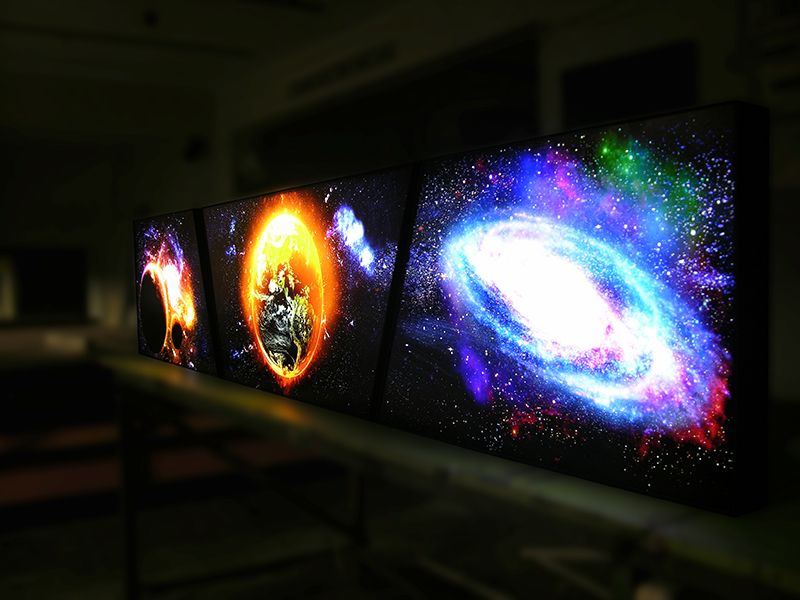
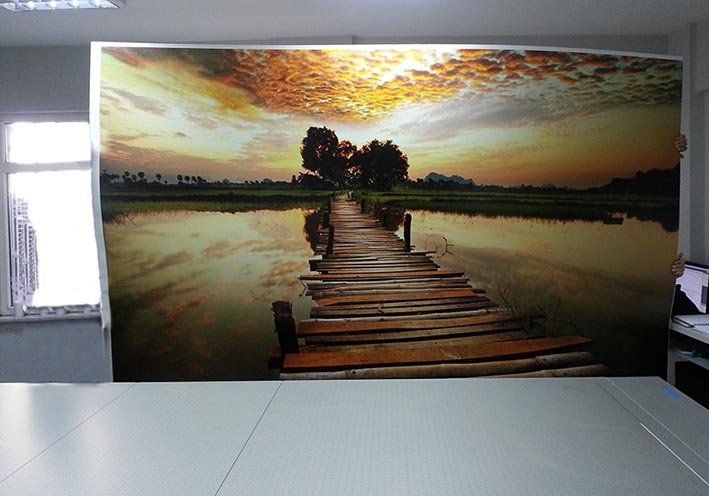
Backlit Acrylic Graphics
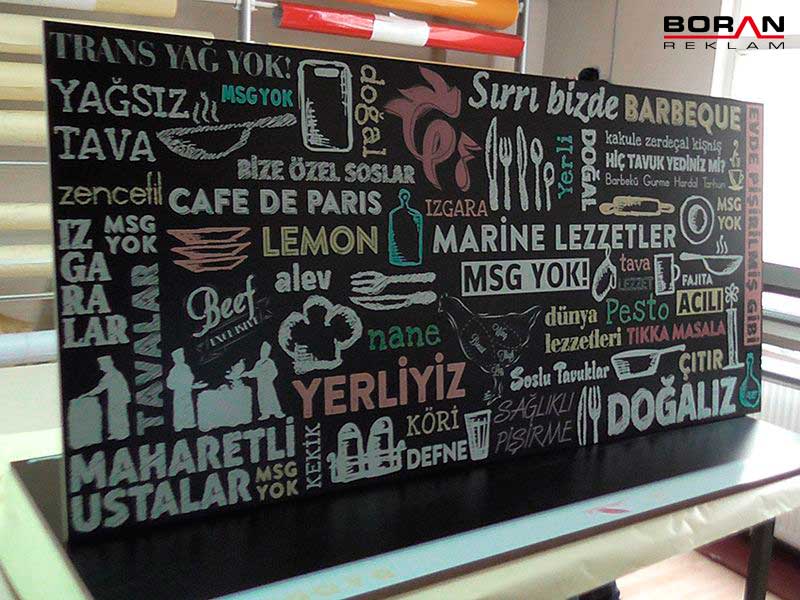
PVC Foam Displays
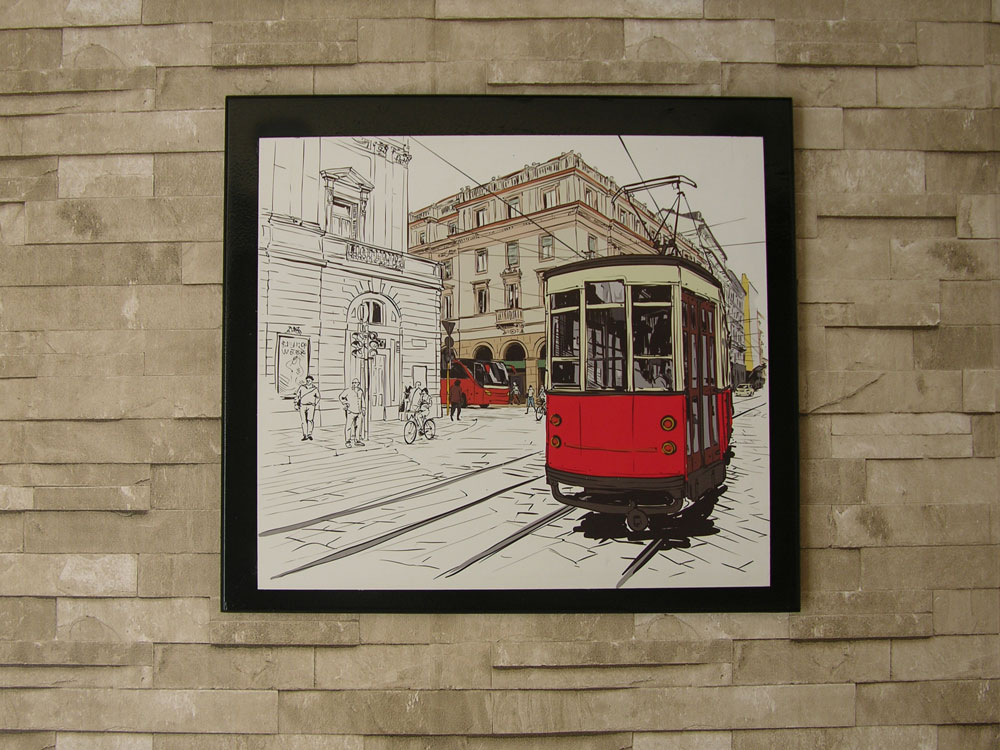
Printed Wood Interiors
Composite Artwork Panels
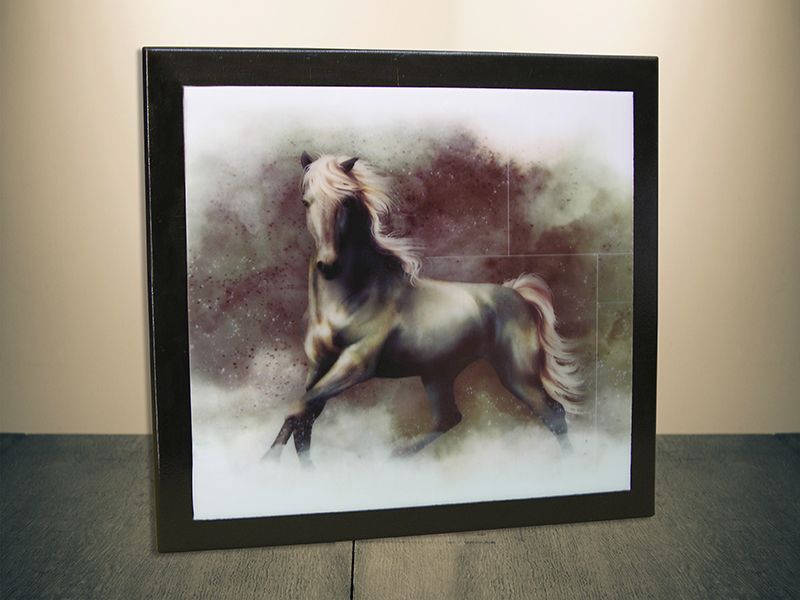
Custom Pool Tiles
White Acrylic Graphics

Printed Glass Dividers
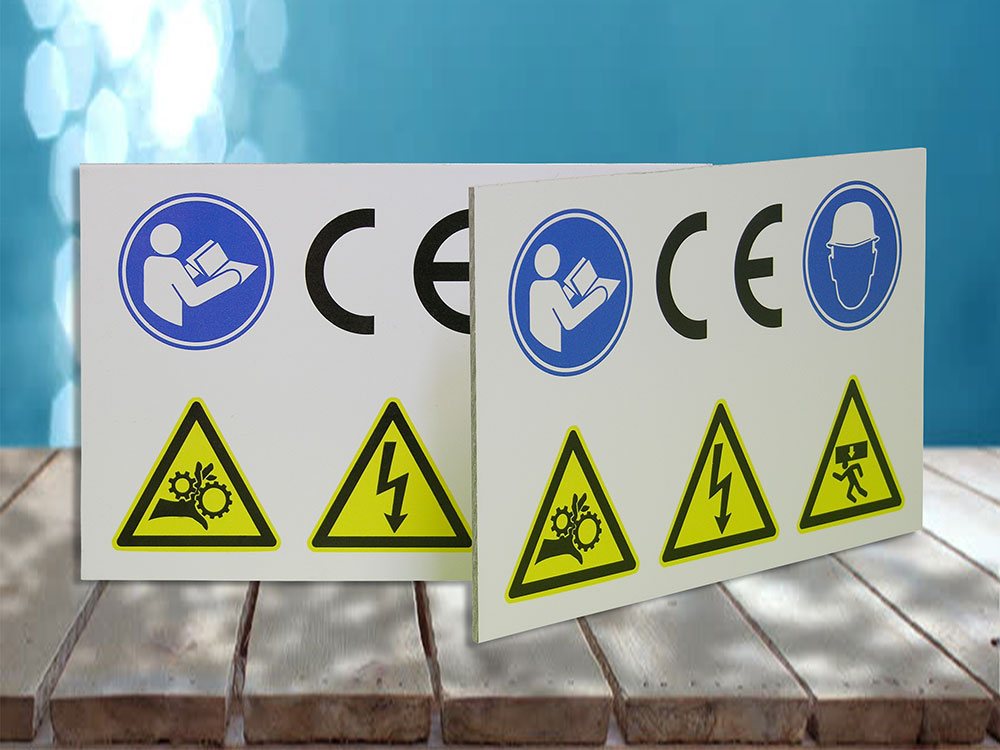
Composite Warning Signs
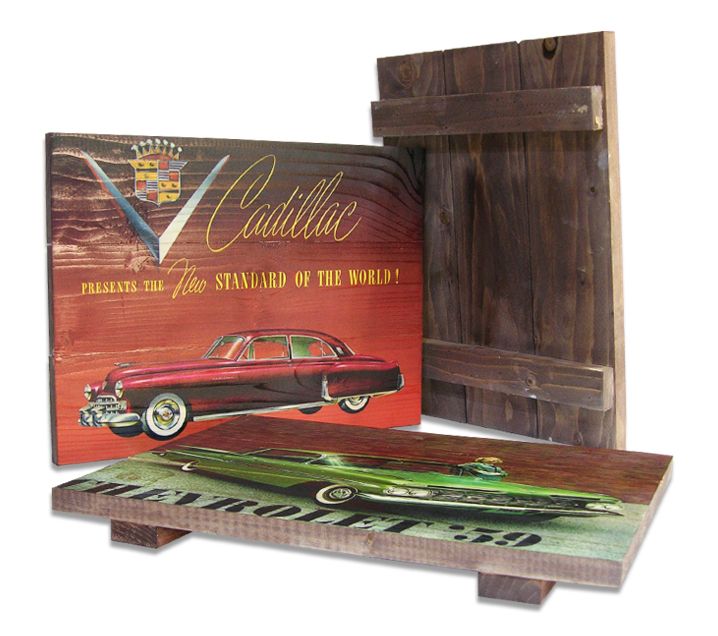
Decoration Wood Panels
See UV Printing in Action
Watch our UV printing video and explore how digital artwork becomes a printed surface. Send us your material, dimensions and intended use to discuss a suitable production approach.
From Brief to Finished Print
01 / Application Review
Share the use, dimensions, quantity and installation environment. We identify the information needed to specify the material and print construction.
02 / Material & Artwork
Confirm the substrate, thickness, artwork orientation, white layer and finishing. For multi-panel work, include the layout and joint positions.
03 / Sample & Approval
Agree any sampling requirements for colour, adhesion or appearance. Sign off the artwork and specification before the production run.
04 / Print & Finish
Printing follows the approved setup. Cutting and protective finishing are included where they form part of the agreed scope.
05 / Quality Review
Check the finished graphics against the approved brief, including orientation, visual consistency, quantity and any panel references.
06 / Packing & Delivery
Plan protection for the material and transport route. For multiple destinations, supply the location list and packing requirements.
How Is UV Printing Priced?
UV printing is quoted around the finished specification. Material type, print area and quantity are the starting point; white ink, artwork variation, cutting and protective finishing can change the production work involved.
Large panels, fragile glass and ceramic pieces also have different packing and transport needs. A project with many artwork versions or several delivery addresses should include those details from the beginning.
For projects over 1,000 m², send the complete schedule for a project-specific quotation. Include all material and artwork variations. Send the complete schedule for other volume enquiries so material use, print construction and delivery can be considered together.
What to Include in Your Enquiry
- Material type, thickness and surface finish
- Finished width and height, plus quantities
- Artwork files and any brand colour references
- White ink, transparent areas or reverse printing
- Indoor, outdoor or illuminated use
- Cutting, protective finishing and mounting details
- Delivery address, packing needs and required date
Our References
Explore brands in the Boran Reklam reference portfolio.


Frequently Asked Questions About UV Printing
UV Printing Ideas & Applications
Explore more about printing on glass, wood and flexible materials.

SEG Lightbox: Design to Installation
BORAN REKLAM / LIGHTBOX INSIGHTS SEG Lightbox A seamless graphic,

How to Print PVC Foam with Digital UV Printing?
BORAN REKLAM / UV PRINTING INSIGHTS How to Print

Application Area of Custom Printed Woods
BORAN REKLAM / UV PRINTING INSIGHTS Applications for Custom