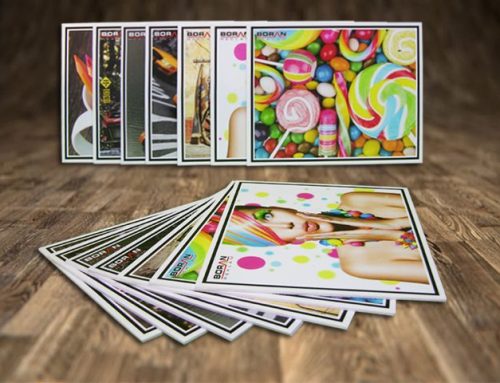
THE SYSTEM
Fabric graphics that fit the frame.
An SEG lightbox combines an aluminium frame, internal LED lighting and a printed fabric face. A silicone strip sewn around the graphic fits into a channel in the frame, holding the fabric evenly across the illuminated surface.
The resulting display has a clean edge and a smooth graphic face. When the campaign changes, the fabric can be removed and replaced while the compatible frame and lighting stay in place.

FROM BRIEF TO DISPLAY
Four stages shape a successful lightbox.
Placement, dimensions, artwork, lighting and access need to be considered together. This framework keeps design decisions connected to production and installation.
01 / PLAN
Concept & technical design
Define the location, display size, viewing direction and mounting method. Agree the artwork, brand colours, frame specification and electrical needs before production.
02 / MAKE
Production & assembly
Prepare the fabric artwork for illumination, print and finish the graphic with a silicone edge, manufacture the frame and integrate the LED components.
03 / FIT
Installation & final checks
Check access and fixing points, install and align the frame, connect the lighting and tension the SEG face. Review corners, colour and light uniformity on site.
04 / REFRESH
Care & graphic updates
Clean according to the material guidance, inspect lighting and replace the fabric face when a new campaign is ready. Confirm the new graphic matches the frame dimensions.

Project example: exhibition graphics and lightboxes produced through a Germany-based agency partner.
MANUFACTURING
The print and the light need to work together.
Fabric selection and print density affect how colours appear once the lightbox is switched on. The LED layout, frame depth and diffusion also influence the final illuminated appearance. Testing these components as a system helps prevent uneven lighting or washed-out graphics.
Boran Reklam coordinates aluminium frame production, LED integration, SEG fabric printing and finishing for custom projects. The specification can be adapted to a wall-mounted, freestanding or suspended application.
PROJECT CHECKLIST
What should you send with your enquiry?
A clear brief makes it easier to recommend an appropriate profile, graphic material, lighting approach and installation method.
- Required width, height and preferred orientation
- Wall, ceiling or floor position, plus site photographs
- Single-sided or double-sided display requirement
- Artwork, brand guidelines and desired lighting effect
- Quantity, locations and target installation date
THINK AHEAD
Plan for the next campaign too.
SEG fabric can be exchanged without rebuilding a suitable lightbox. If the display will be reused, decide how the graphic will be accessed, identified and packed for future changes.
For multi-store programmes, location-specific dimensions and artwork versions should be tracked before printing and dispatch.
COMMON QUESTIONS
SEG lightboxes, explained.
What does SEG mean?
SEG stands for Silicone Edge Graphics. The printed fabric has a sewn silicone strip that fits into a compatible aluminium frame channel.
Can the graphic be replaced?
Yes. A correctly sized replacement fabric can be fitted into the existing compatible frame while the frame and LED system remain installed.
Can an SEG lightbox be made to custom dimensions?
Frame size, profile depth and mounting method can be selected to suit the space and technical requirements of the project.
What should be checked during installation?
Check secure mounting, electrical connection, graphic tension, clean corners and even illumination with the lightbox switched on.
FEATURED CASE STUDIES
Real Projects. Real Results.
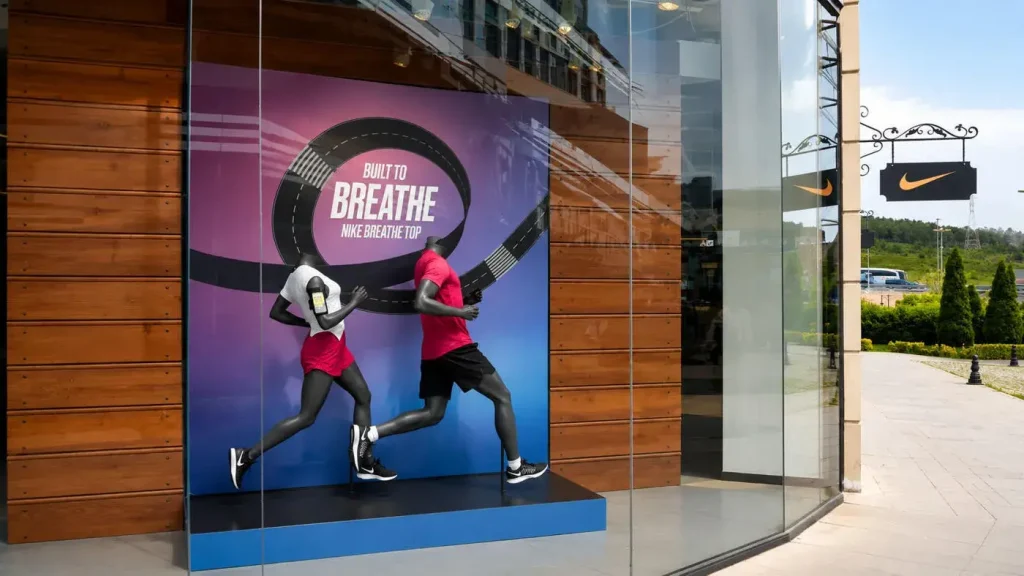
Nike Retail Campaign Production Türkiye
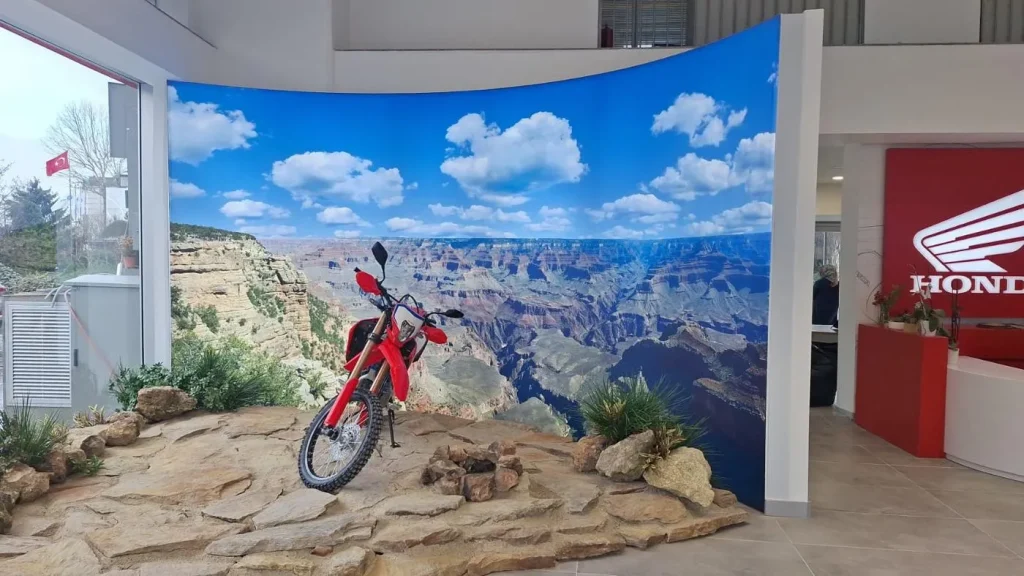
Honda Dealership Rollout Türkiye
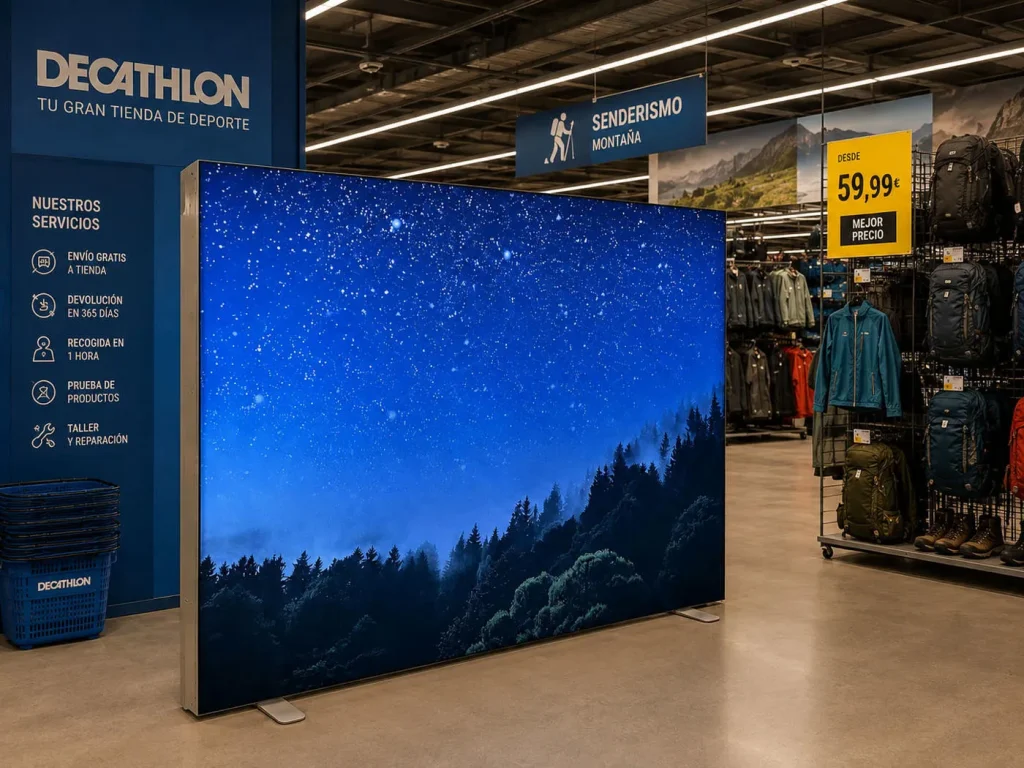
Decathlon Lightbox Rollout Across 8 European Markets
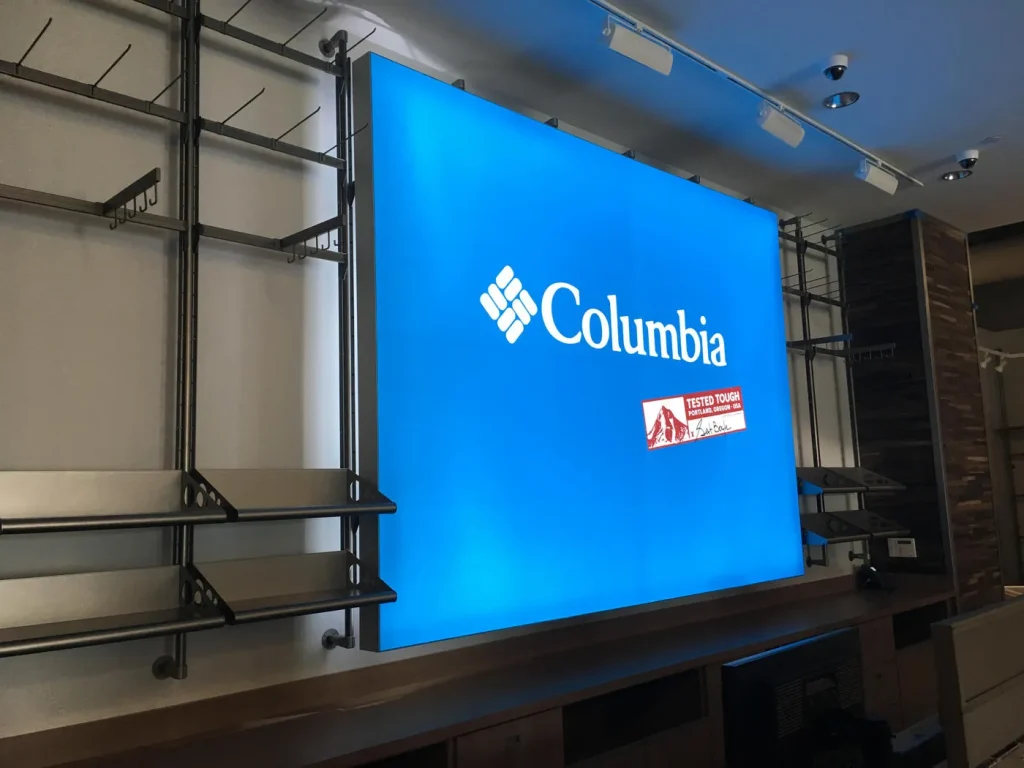
Columbia Retail Branding & Lightboxes
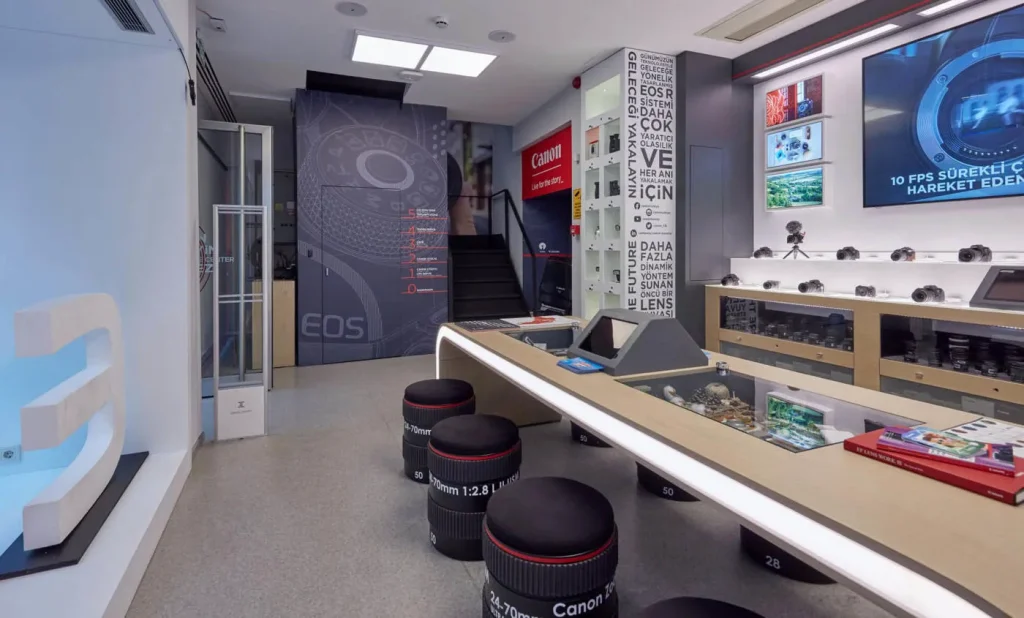
Canon Sirkeci Retail Branding Project
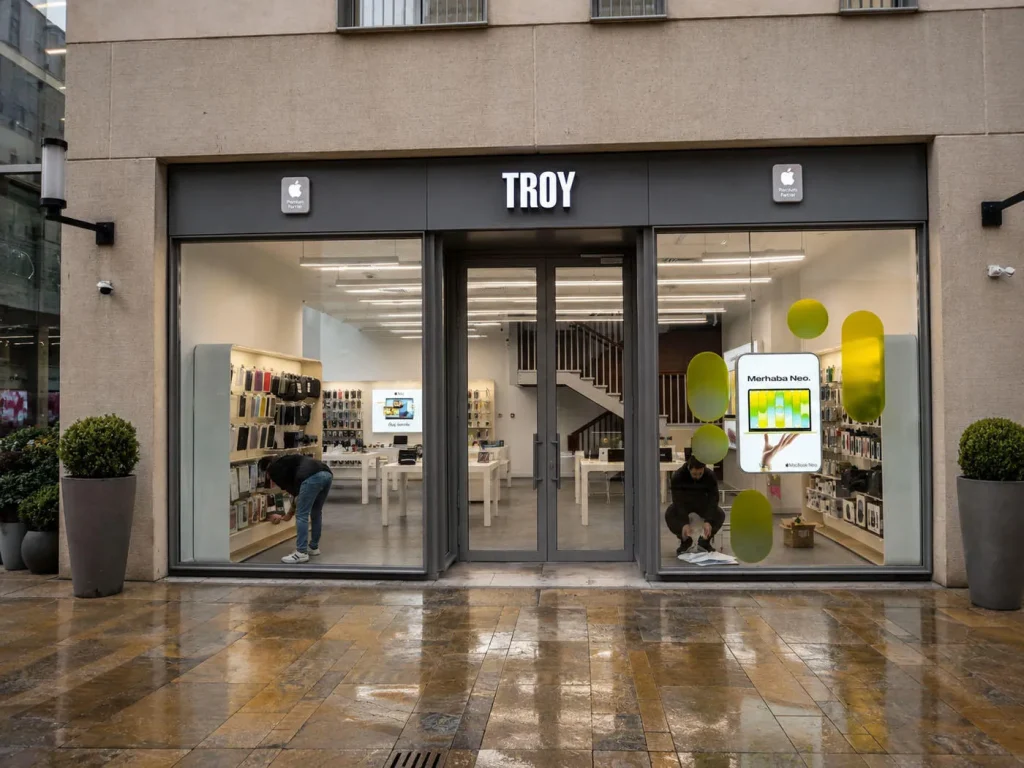
TROY Apple Retail Window Graphics

Technogym Astana Retail Graphics & Installation

Glatz Exhibition Graphics & Signage

6-Metre Illuminated Art Installation

Illuminated Artwork Lightboxes

Körfez Termal Lightbox Project