THE IDEA
What are fabric frames?
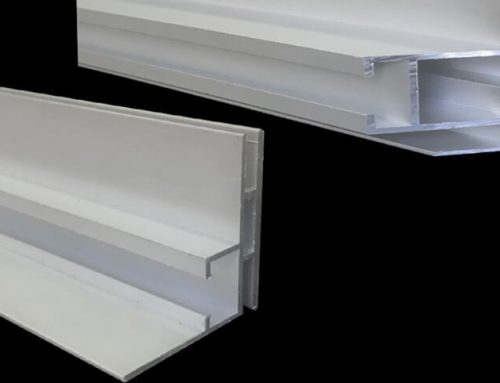
A fabric frame presents a textile image within a supporting structure. It can hold artwork, photography, patterns or branded graphics, bringing texture and visual depth to a wall or freestanding display. The fabric may be stretched over a frame or secured within a compatible frame profile.
Materials depend on the intended finish. Cotton, polyester, woven textiles and canvas each have different texture and print characteristics. Wood can suit a traditional decorative piece; aluminium and other metal profiles suit slim, lightweight display systems. The right combination depends on size, use and the artwork.
MATERIAL & FINISH
Three ways fabric changes the image.
The word “fabric frame” covers several constructions. Choose the material and tension method before approving the final graphic.
Canvas
A textured surface for photography and artistic prints. The visible weave can become part of the visual character of the piece.
Woven textile
A tactile option where the fabric pattern and weave contribute to the design. Printing and finishing depend on the chosen textile.
Tensioned graphic
A smooth, modern display surface. In a compatible SEG frame, a sewn silicone edge holds the fabric under tension and allows the face to be changed.
WHY FABRIC
Flexible by design. Practical to update.
Designed for different spaces
A framed textile can be subtle wall art or a large campaign image. Graphics, scale and frame finish can be coordinated with a minimalist interior, a warm decorative scheme or a commercial brand environment.
Value across repeated use
Some fabric systems are lighter to handle than rigid artwork of the same size. Where the frame is reusable and graphics are replaceable, updating a campaign can be more practical than replacing the complete display. Cost and transport depend on the chosen structure and scale.
WHERE IT WORKS
From interior walls to brand environments.
Wall art at home
Show photography, artwork or pattern with the softness of a textile surface. A correctly specified graphic can be changed when the room changes.
Room dividers
A freestanding structure with suitable supports can help define zones in a larger interior. Two-sided designs require a frame and fabric construction planned for that use.
Trade shows and retail
Create exhibition backdrops, in-store campaign walls or promotional displays. Modular frames and replacement graphics can support recurring launches.
Offices and hospitality
Present logos, workplace messages or calmer decorative imagery in reception areas, meeting rooms, restaurants and other shared spaces.
PLAN THE DISPLAY
How to choose the right fabric frame.
01 / Measure and position
Measure the available wall or floor area, then allow for nearby furniture, sightlines and access. The appropriate size depends on viewing distance and the role of the image in the space.
02 / Select the structure
Consider wood for a traditional decorative finish or a suitable metal profile for a slimmer display. Wall mounting and freestanding applications require different support planning.
03 / Match fabric to artwork
Canvas texture, woven detail and smooth printed polyester create different results. Select media for the print process, tension method, lighting and desired appearance.
04 / Review light and colour
Consider natural and artificial light when positioning the piece. For illuminated frames, specify a graphic intended for backlighting and check the colour appearance under the planned LEDs.
MAKE IT YOUR OWN
Custom artwork and careful finishing.
Personalised graphics
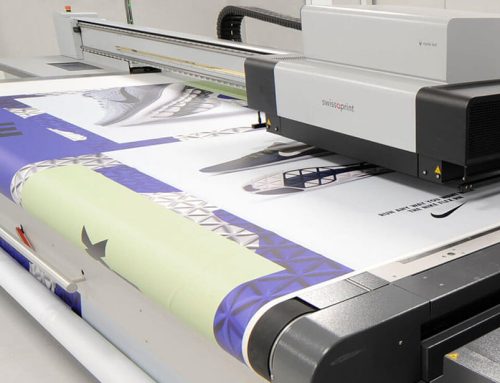
Print a supplied design, photograph or brand campaign on a textile chosen for the frame. Artwork resolution, colour preparation and finishing tolerances matter, particularly for large displays and fitted SEG graphics. A small DIY decorative frame can be assembled with basic tools, but larger commercial structures need suitable engineering, fit and installation.
Cleaning and maintenance
Dust the frame and textile only as permitted by the material instructions. Avoid moisture, cleaners or rubbing unless the printed fabric is approved for that treatment. Delicate or specialist textiles may need professional care; check the fabric specification before cleaning or replacing a graphic.
THINK BEYOND ONE CAMPAIGN
Plan materials for repeated use.
A frame designed to stay in service while its fabric face changes can reduce the need to replace a complete display for each new visual. Check that the replacement graphic uses the correct dimensions, seam and edge for the existing profile.
If recycled, responsibly sourced or lower-impact textiles are a project priority, discuss the available media and certification before production. Environmental outcomes depend on the actual materials, print process, transport and reuse cycle.