START WITH THE APPLICATION
What should be decided before printing on glass?
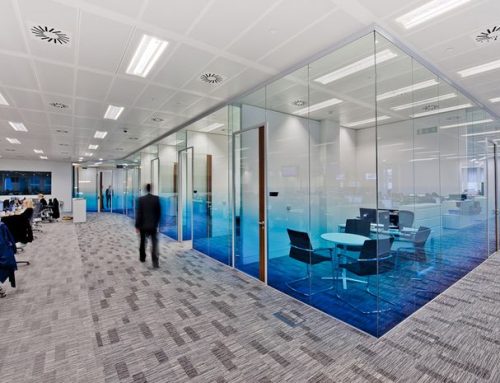
Printing directly on glass can turn a panel into a branded or decorative feature. Yet the finished result depends on much more than the artwork: glass type, dimensions, installation, light transmission and cleaning all affect the production route.
A panel intended for an interior partition has different requirements from exterior glazing or a small display. Confirm the project’s safety and building requirements with the glazing specialist before selecting the print method and finish.
01 / SUBSTRATE
Understand the glass you will use.
Specify the panel before preparing the final artwork. Its construction and coating influence the print process and installation.
Annealed glass
Common float glass may suit some decorative uses. Its breakage behaviour and any further processing need to be evaluated for the location.
Toughened glass
Used where the glazing design calls for its strength and safety characteristics. Confirm the processing order and print system with the glass supplier.
Laminated glass
Several layers create a different construction. The printed surface, interlayer, orientation and installation detail must be decided together.
02 / PRINT METHOD
Select a process for the design and volume.
Digital UV printing
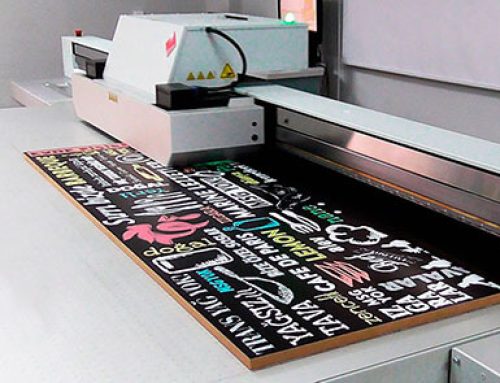
Digital printing is flexible for detailed images, variable designs and shorter runs. Ink selection, surface cleaning and a compatible primer or protection may be needed for reliable adhesion on glass.
Screen printing
Screen printing can suit repeated graphics at higher quantities. Its setup and colour separation make it a different cost decision from digital printing.
Pad printing and specialist processes
Pad printing can be relevant to small shaped objects. Architectural glass may require a specialist ceramic ink process that is fired as part of glass processing. These are distinct from direct UV printing on flat panels.
The best choice
Compare the actual dimensions, quantity, colour detail, exposure and required service life. A printing method cannot be chosen from quantity alone.
03 / ARTWORK & LIGHT
Design for a transparent surface.
Resolution, text and colour
Supply artwork at the agreed scale and resolution. Check type size, viewing distance and brand colours with a production proof. Pantone references can guide targets, but exact appearance changes with transparency, white ink, glass tint and light.
One side or both?
Decide which side faces the viewer and whether the design must be read through the glass. Back printing, mirrored files or two-sided graphics each need a planned layer order.
Opacity and lighting
A printed white layer can increase opacity or support colour on clear glass. Test the panel against its intended background and day or night lighting before approving the visual.
Size, shape and fixing
Artwork must account for edges, holes, hardware and visible sightlines. Coordinate dimensions and safe handling with the glazing and installation teams.
04 / PRODUCTION CONTROL
Clean, test and approve before the full run.
Surface and ink compatibility
Dust, oil and residue can compromise adhesion. Clean and prepare the surface according to the ink and glass specification. Some projects call for a dedicated glass ink, primer or protective system; no single ink is suitable for every exposure or cleaning regime.
Samples and quality checks
Test a sample on the actual glass whenever appearance or adhesion is critical. Check colour, opacity, registration and cleaning resistance against the agreed use. A small approval run helps identify issues before committing to a large batch.
05 / BUDGET & DELIVERY
Plan the complete glass project.
Quantity, price and timing
Glass type, panel size, number of colours or layers, production quantity and protective treatment influence the quote. Allow for proofing, finishing, safe packing and installation as well as printing.
Environmental considerations
Select materials and ink systems against the project’s environmental criteria. Waste from proofs and breakage, ink formulation, energy and transport matter. UV glass ink is not necessarily water-based; review the actual specification.
Packing and shipping
Protect print faces and glass edges, separate panels and use suitable supports or crates for the size and route. Specify how each sheet will be labelled and unloaded on site.
Installation and aftercare
Agree the fixing system, orientation and permitted cleaning method before dispatch. Printed surfaces can have different maintenance requirements from unprinted glass.
FREQUENTLY ASKED QUESTIONS
Questions before placing an order.
Can glass be printed on both sides?
It can be possible, but the layer order, print method, glass construction and viewing direction must be specified.
Can any ink be used?
No. Choose an ink system qualified for the glass and application; primer or protection may also be required.
Is screen printing better than digital?
Neither is always better. Run length, artwork detail, colour, processing and final use determine the choice.
How should the glass be prepared?
The print side needs a clean, suitable surface. Follow the ink supplier’s preparation instructions and confirm compatibility with coatings.
Can printed glass be used outdoors?
Yes, when the glass assembly and print process are specified for exposure, safety and cleaning requirements. A decorative indoor print should not be assumed suitable for a façade.
How durable is the print?
It depends on ink, adhesion, protection, installation and maintenance. Test against the intended service conditions.
What designs work best?
Logos, typography, patterns and detailed imagery can all work. Proof the design at its real scale and against the intended background.
How do I choose a print partner?
Ask about material testing, comparable work, sample approval, safe packaging and the proposed installation or aftercare plan.