
CASE STUDY · ACCESSIBLE PRINTING
Canon World Unseen — Tactile UV Printing
Bringing Photography to Life Through Tactile Relief Printing
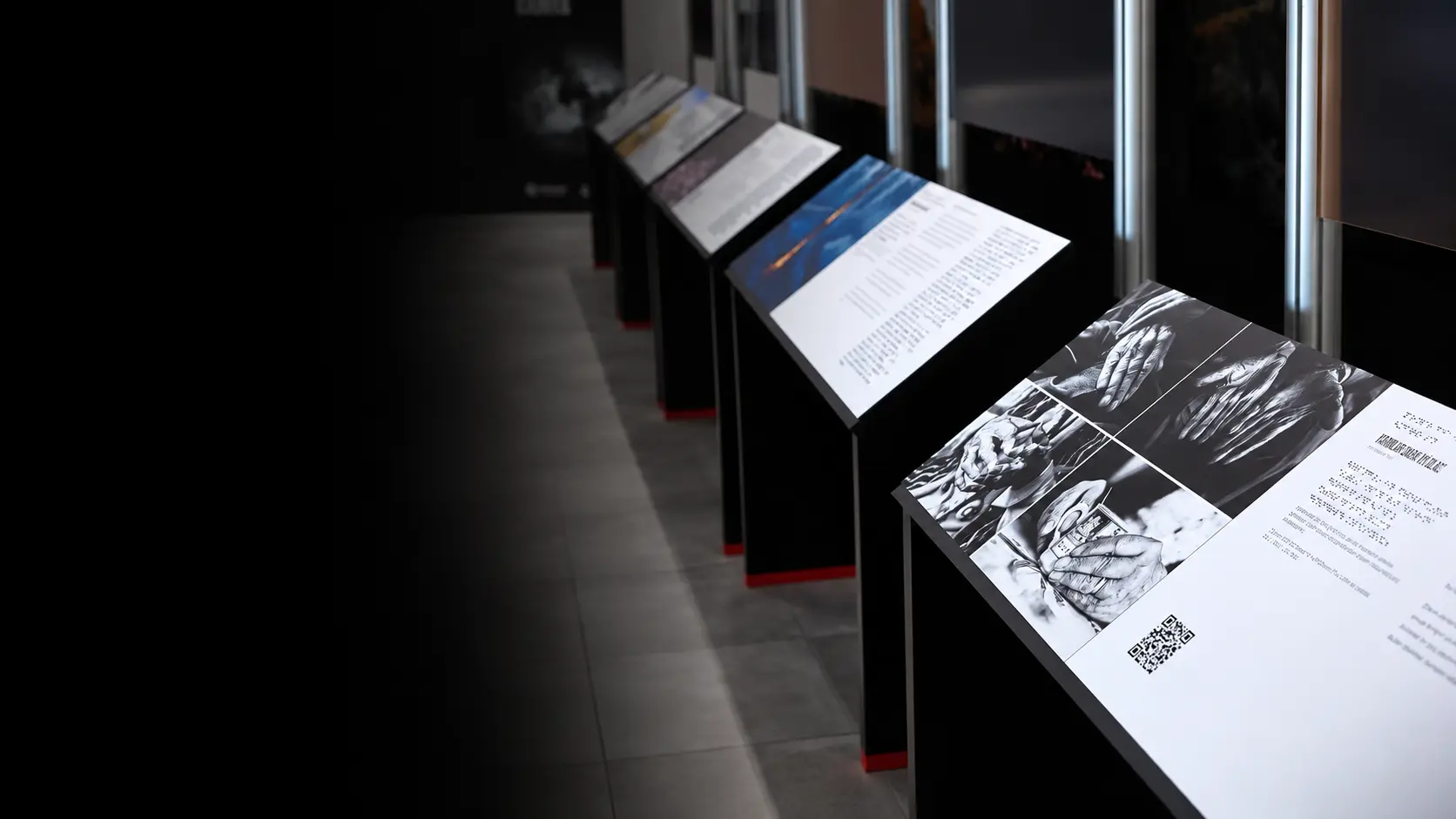
In 2024, Boran Reklam produced nine tactile photographic panels for Canon’s World Unseen project in Türkiye, enabling people with sight loss to experience photographs through touch.
CASE STUDY · ACCESSIBLE PRINTING
Canon World Unseen — Tactile UV Printing
Bringing Photography to Life Through Tactile Relief Printing
In 2024, Boran Reklam produced nine tactile photographic panels for Canon’s World Unseen project in Türkiye, enabling people with sight loss to experience photographs through touch.
THE PROJECT
Photography Made Accessible Through Touch.
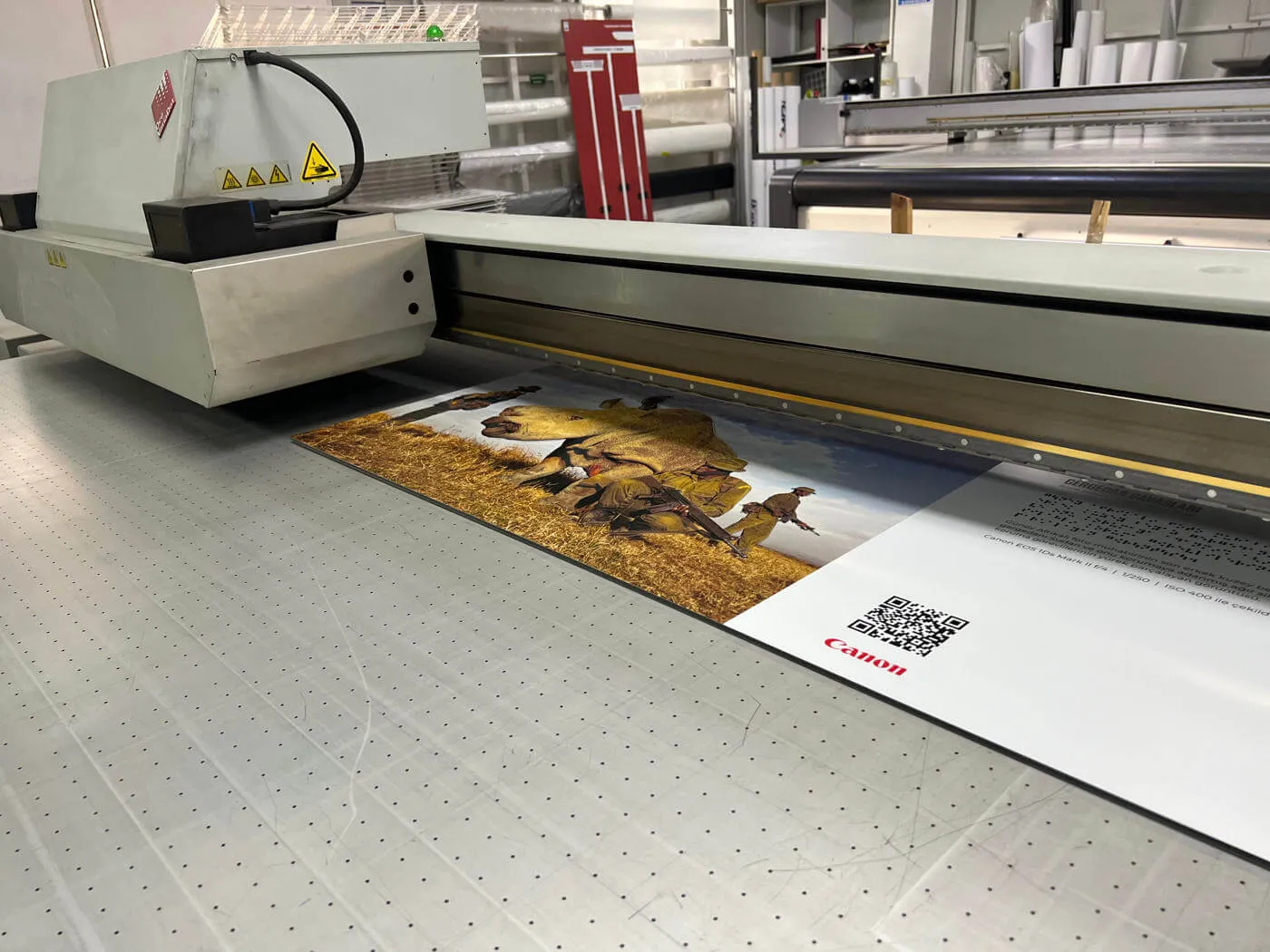
World Unseen was created to make photography more accessible to people with sight loss. For the Turkish implementation, Boran Reklam was responsible for producing and printing nine tactile photographic panels in several custom formats.
The images combined conventional visual printing with raised tactile elements, allowing visitors to experience each photograph both visually and through touch.
Panel formats included 50 × 72 cm, 160 × 45 cm and other custom dimensions.
9
Tactile photographic panels
~3 mm
Raised UV relief
Canon Arizona
Flatbed UV printing
2024
World Unseen · Türkiye
THE CHALLENGE
Translating a Two-Dimensional Photograph Into Physical Relief.
A photograph contains thousands of visual details, but not every detail can or should become a raised element. Each image needed to be translated into a depth map that identified which features should be represented through different levels of relief.
The tactile result also had to remain visually faithful to the original photograph while providing meaningful information that could be understood through touch.
CREATING THE DEPTH MAP
Visual Information Converted Into Tactile Structure.
Boran Reklam worked with the source imagery to create the required depth maps, converting visual information into different relief levels.
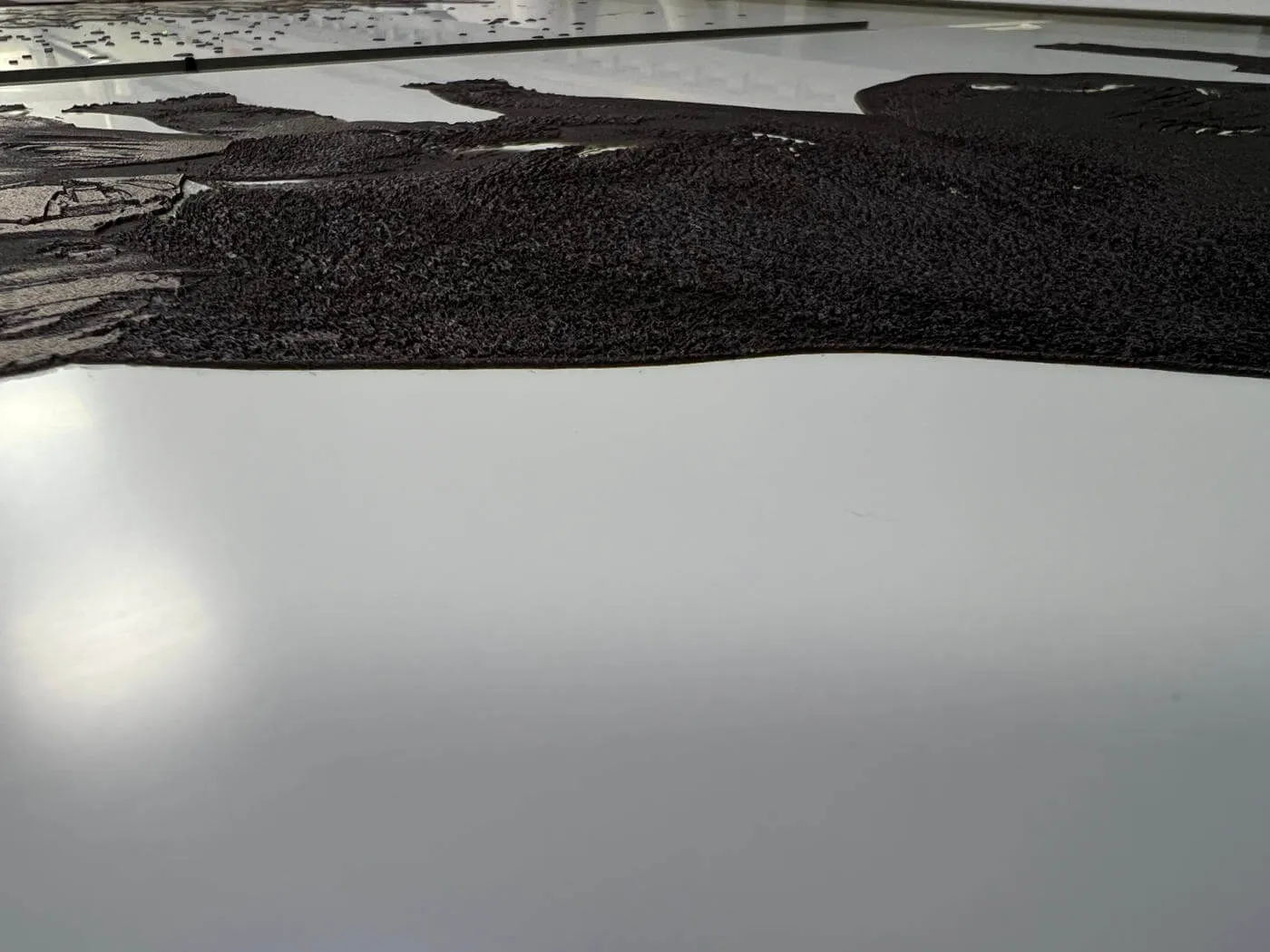
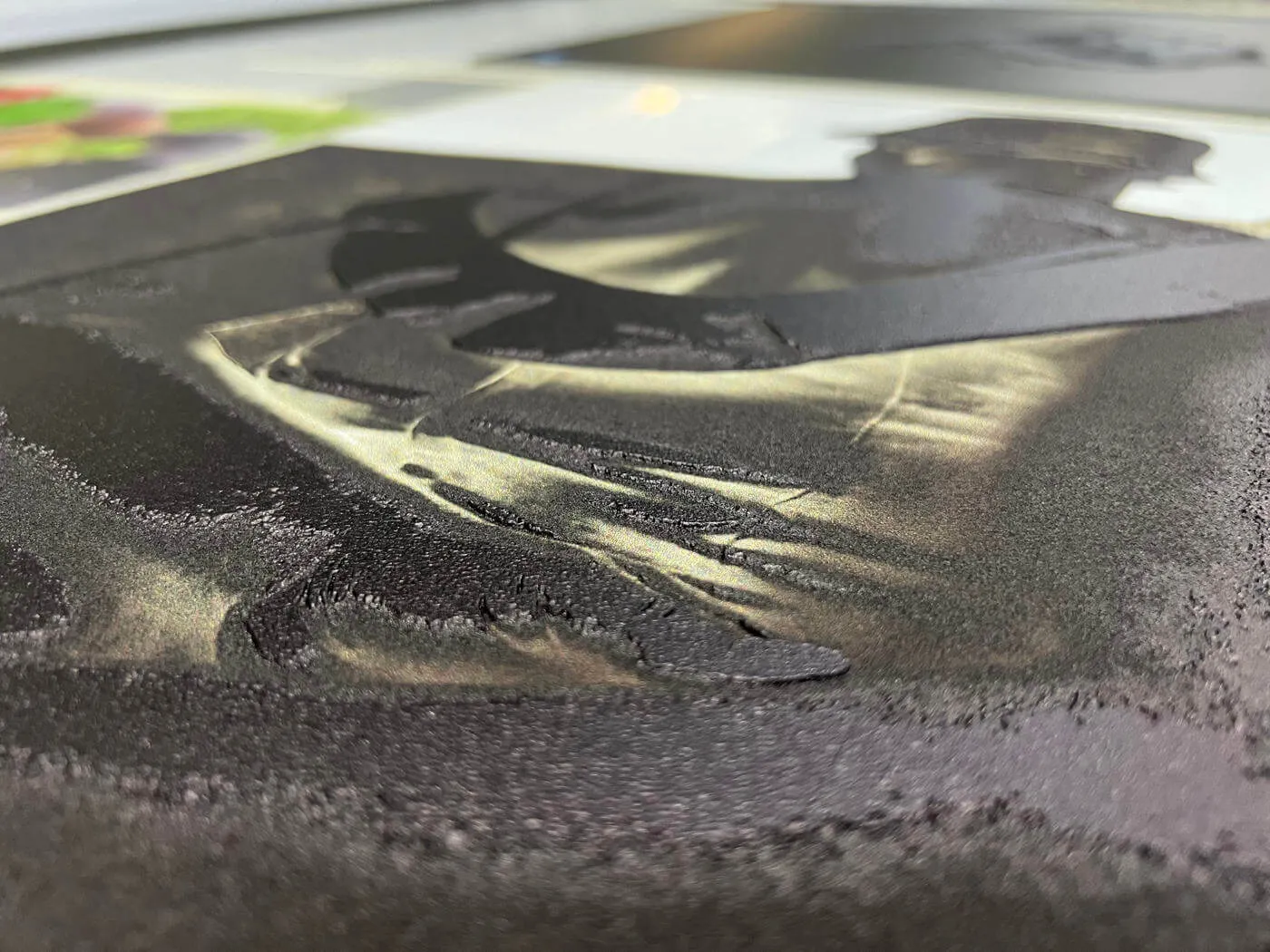
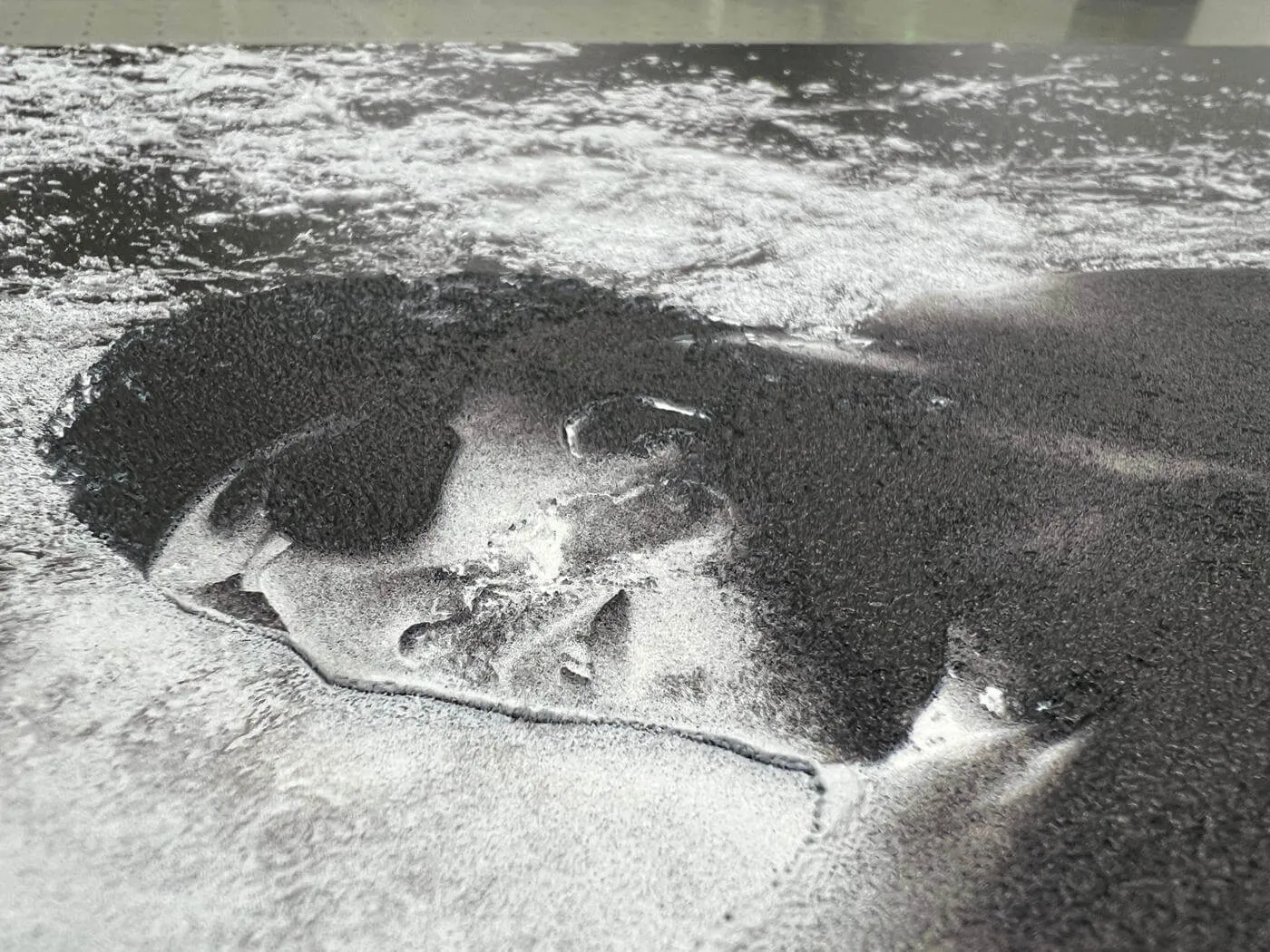
These maps determined where the UV ink would be built up and how the finished image would feel when explored by hand. Instead of applying one uniform raised layer, the process created distinct tactile structures corresponding to important features in the original image.
FROM DIGITAL IMAGE TO PHYSICAL RELIEF
A Six-Stage Tactile Printing Process.
MULTI-LAYER UV RELIEF PRINTING
Approximately 3 mm of Relief Built in UV Ink.
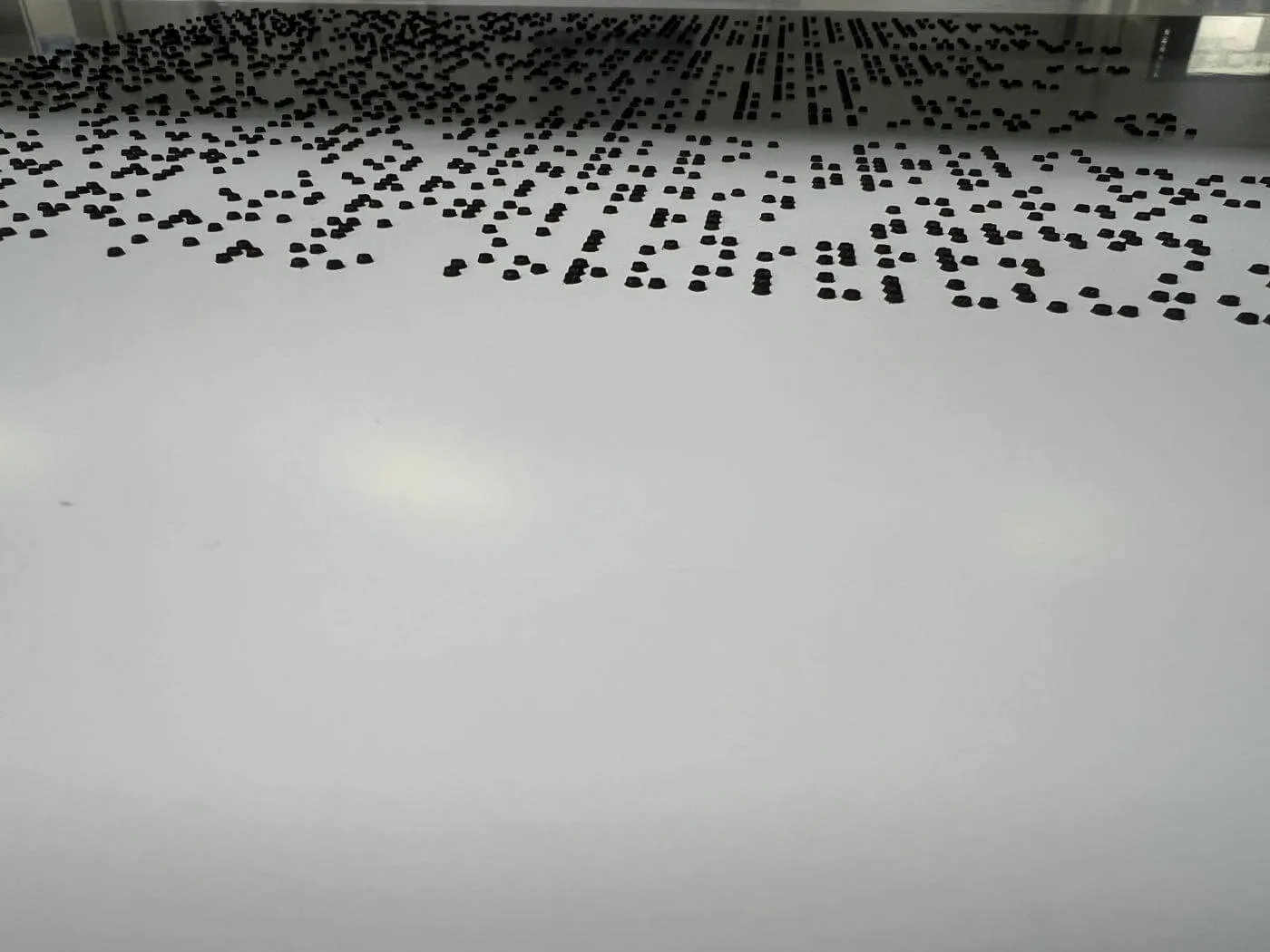
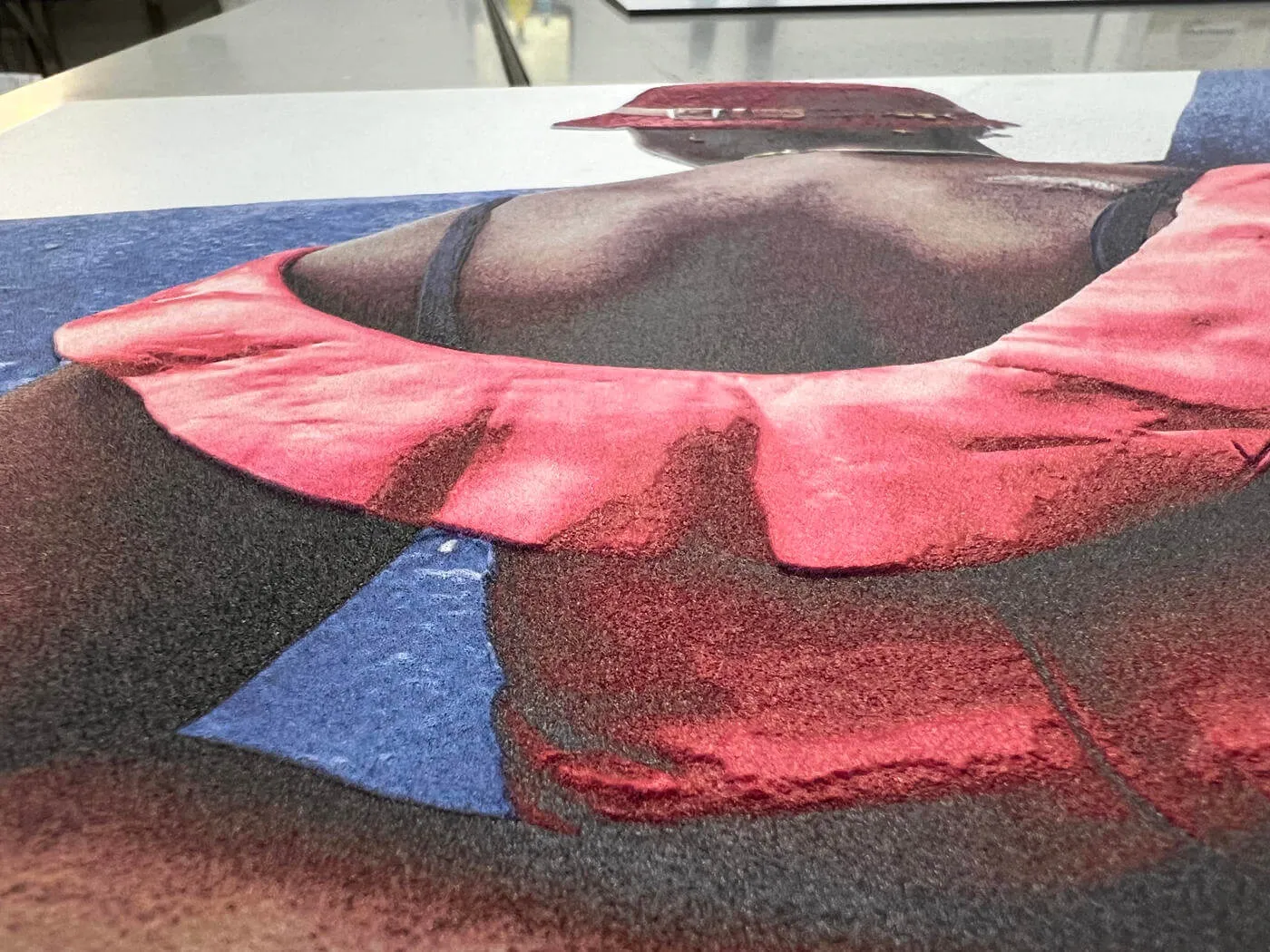
The tactile panels were produced on a Canon Arizona flatbed printer, with UV ink built up in multiple layers to create a physical surface that could be explored by touch.
Dibond provided a rigid and stable substrate for the relief printing process, supporting consistent dimensional detail across the different panel formats.
TACTILE PRINT DETAILS
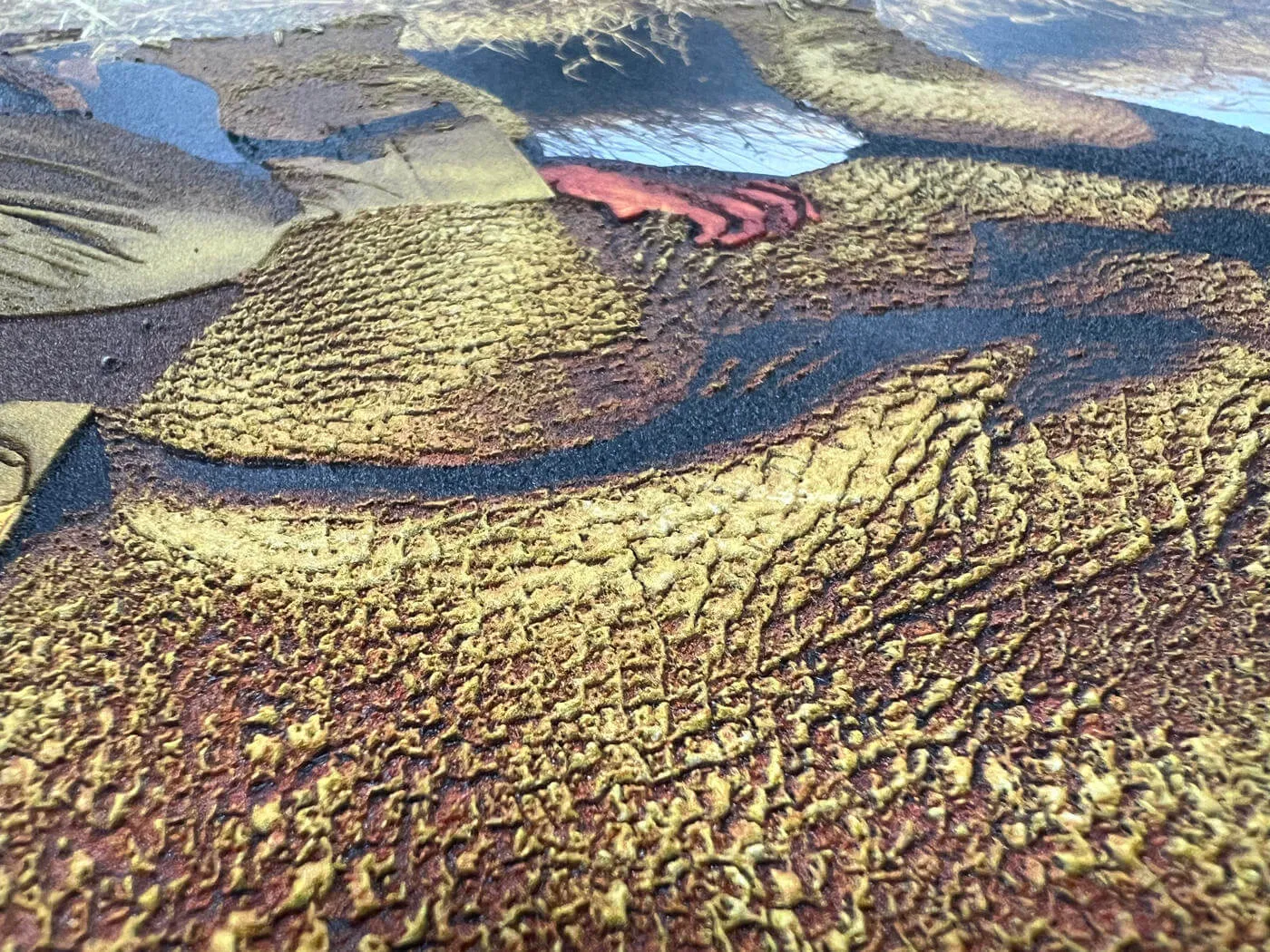
Different Images. Different Relief Structures.
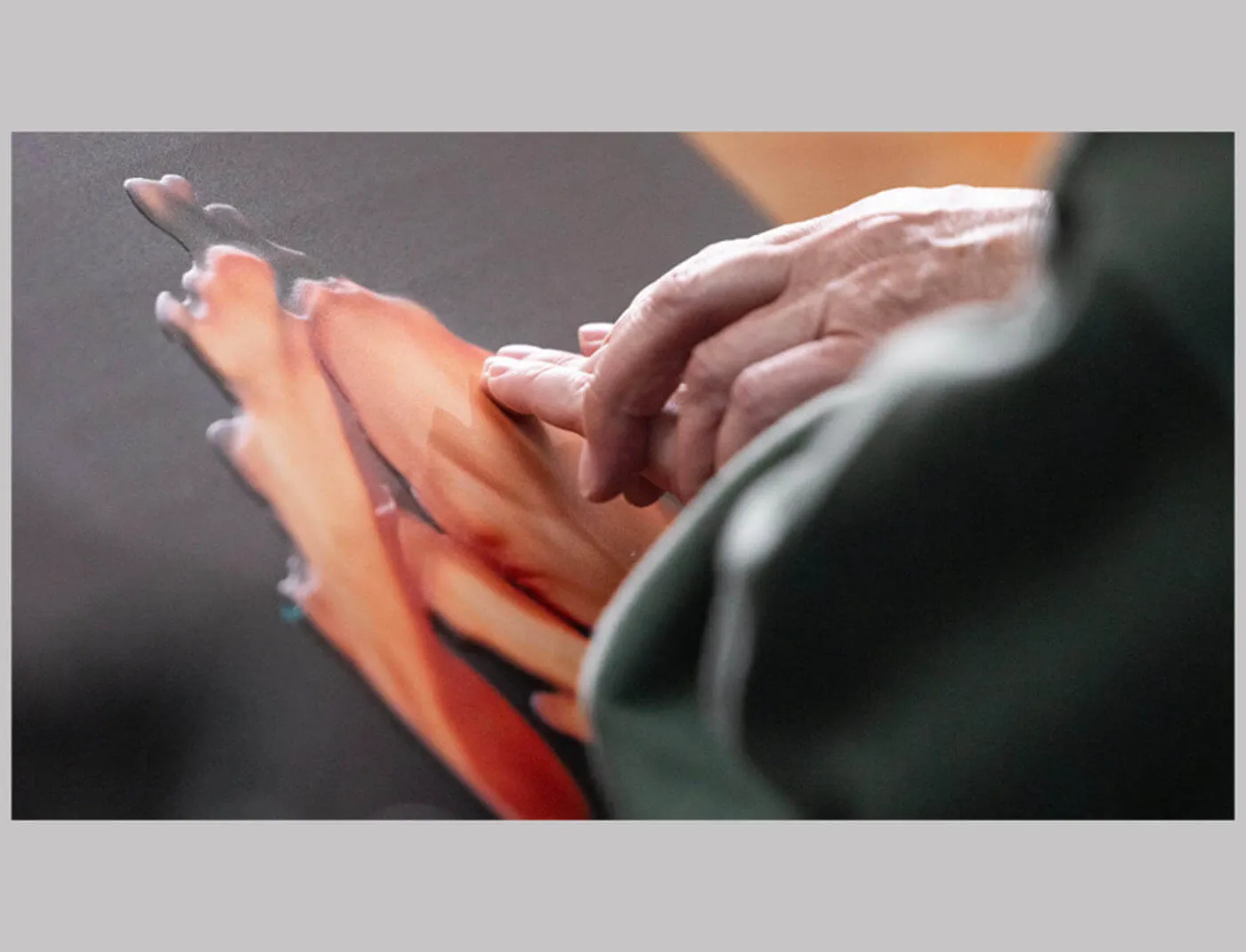
Each photograph required its own interpretation of depth, texture and visual hierarchy. The close-up views below show how the raised UV layers followed key forms within the original imagery.
TESTING WITH BLIND VISITORS
Technical Accuracy Was Only Part of the Goal.
The tactile images needed to function as an accessible experience, not simply as visually interesting raised prints.
Boran Reklam worked with a blindness association to test the printed panels. Feedback from blind users helped evaluate whether the raised elements and depth representation could actually be understood through touch.
This testing connected the technical print process with the real purpose of the project: communicating photographic imagery to someone who could not see it.
THE RESULT
Nine Photographic Panels Experienced Through Sight and Touch.
Boran Reklam successfully produced nine tactile photographic panels for Canon’s World Unseen project in Türkiye.
Presented as part of the Canon event, the finished panels gave blind visitors the opportunity to explore photographic imagery through touch. The project demonstrates how digital print technology can move beyond conventional visual communication to create more accessible experiences.
ACCESSIBLE PRINTING & TACTILE GRAPHICS
Turn Visual Content Into an Experience That Can Be Felt.
By combining depth mapping with multi-layer UV ink deposition, photographic and graphic content can be transformed into tactile surfaces that communicate through touch as well as sight.
For museums, exhibitions, brands and organizations developing more inclusive experiences, Boran Reklam can support the process from image preparation and relief planning to printing and finished panel production.